Abundantly Informed but Dimly Aware
On your journey with Christ, sometimes relational experience is more important than abstract knowledge
Many of the struggles I’ve had as a Christian have been due to a lack of relational awareness. I often could not answer someone who asked how I was feeling. And even if I knew, I could not express anger or sadness. If I were asked what God was doing in my life, I would answer by talking about what I was doing for God—especially what I was reading for God. After I detailed the book, my wife would ask, “But how did it affect you? How did it address your life?”
What I’ve come to see is this: To make progress in your spiritual life, sometimes awareness is more important than information.
While being highly informed theologically is essential, it does not ensure growth or a deeper sense of God’s calling. You need awareness, too.
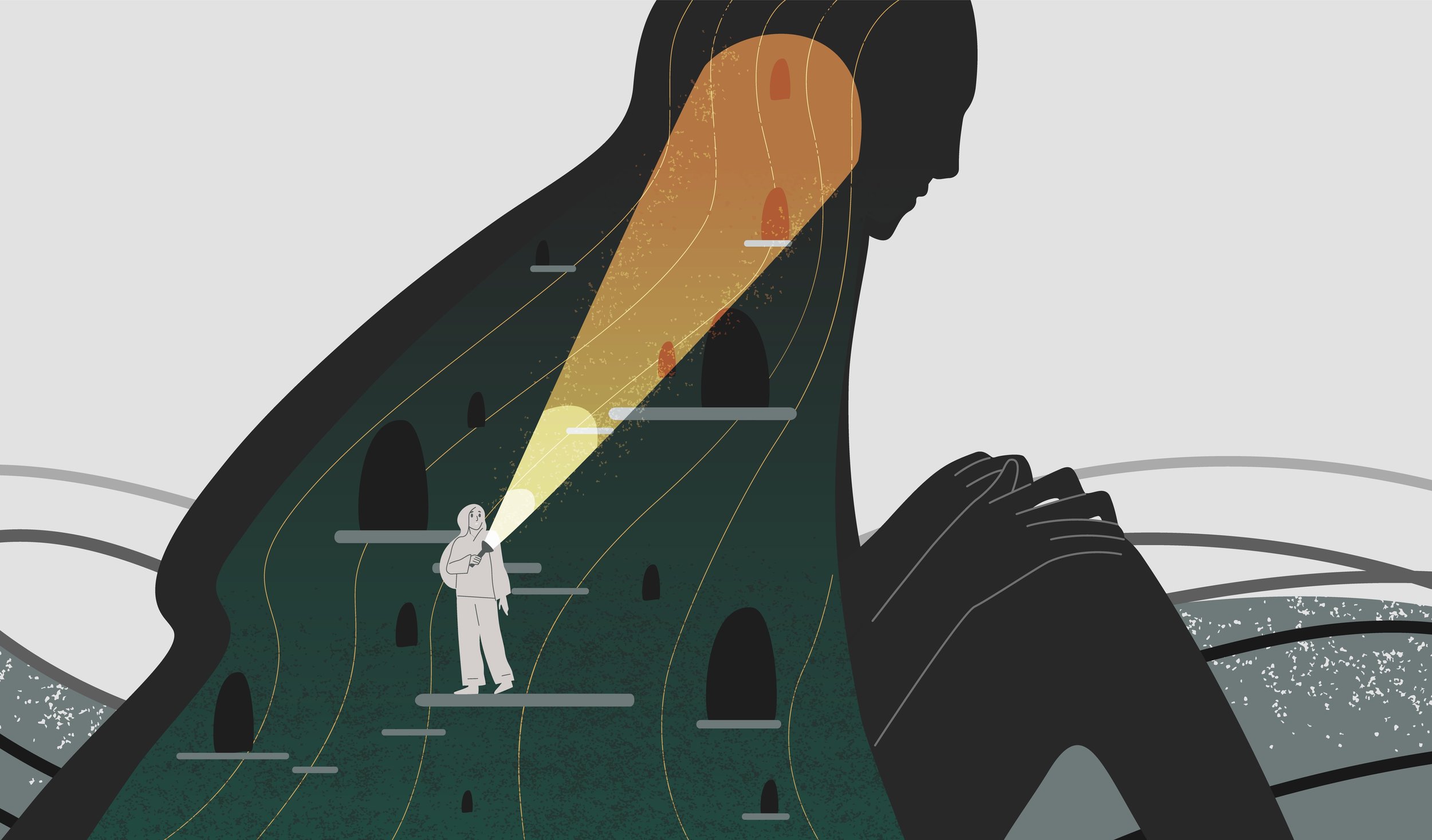
What Kind of Awareness?
I’m referring to things like self-awareness (feelings, desires, strengths, weaknesses, wounds) and God-awareness (his presence and guidance), people-awareness (how to build and maintain a close friendship, listening, showing compassion, revealing yourself appropriately), and creation-awareness (attention to God’s glory and beauty, art and music; cultivating creativity)
These kinds of awareness become a set of resources that lead to discovering the opportunities God is inviting you into. In that sense, awareness clarifies your calling, helping you make better decisions.
What’s at stake?
It’s possible to be highly informed as a Christian but dimly aware of important spiritual and emotional dynamics. And because of that lack of awareness, relationships are hindered, you are hurt, alienated, and often disappointed in God. Without the kinds of awareness I mentioned, you end up trying to become what you sense other people want you to be. You take jobs you are not made for and miss your God-given work.
Why aren’t we more aware?
Well, because we are unaware of our unawareness. We get feedback, but we don’t know what to do with it because it’s often unconstructive. It stings. But also because the church does not teach us much about the resources for becoming aware. With good intentions, the church just tries to “plug you in” to their programs. It’s hard to say no.
Search me, O God, and know my heart!
Try me and know my thoughts!
And see if there be any grievous way in me,
and lead me in the way everlasting! (Psalms 139:24, 25)
Awareness doesn’t usually happen on your own.
Awareness is different from information. Awareness comes from experience and relationships, through questions and personal conversations with God and other people.

It’s hard to be in control and gain awareness. Awareness requires openness and gentle probing.
Jesus often asked questions.
To his first followers, he asked, “What are you seeking?” (John 1:38).
To blind Bartimaeus, he asked, “What would you like for me to do for you today?” (Mark 10:51).
When our first parents disobeyed, God asked, “Where are you?” (Genesis 3:9)
You can know what sin is through biblical information, but you can only know what your sin is through experience—usually exposure by God or another person making observations about you.
The same is true about self-awareness in general. You are asked questions in prayer by God or by people in conversations. Sometimes people don’t ask; they declare you are a certain way, and it bothers them!
I have a long way to go in becoming aware. But my awareness has been increased by spending a lot of time with a few key friends and God.
I have a couple of friends whom I have met with regularly for fifteen years. That’s between fifty and a hundred hours a year in conversation.
So many times I’ve become aware of something because I was trying to articulate an answer to a friend’s inquiry, and my emotions rose to the surface, and my friend’s reaction to that, the look in his eyes, led to awareness of what God was trying to show me.
I spend about 300 or more hours a year with God, maybe 400. Of course, many of those hours with God, I’m not becoming aware as I am resisting, justifying myself, or evading Him. Sometimes I’m distant and analytical. But there are a few hours when I allow him to search me. He reveals weakness, and he reveals strength that I thought was weakness.
