Aloofness from My Parents Hurt My Leadership
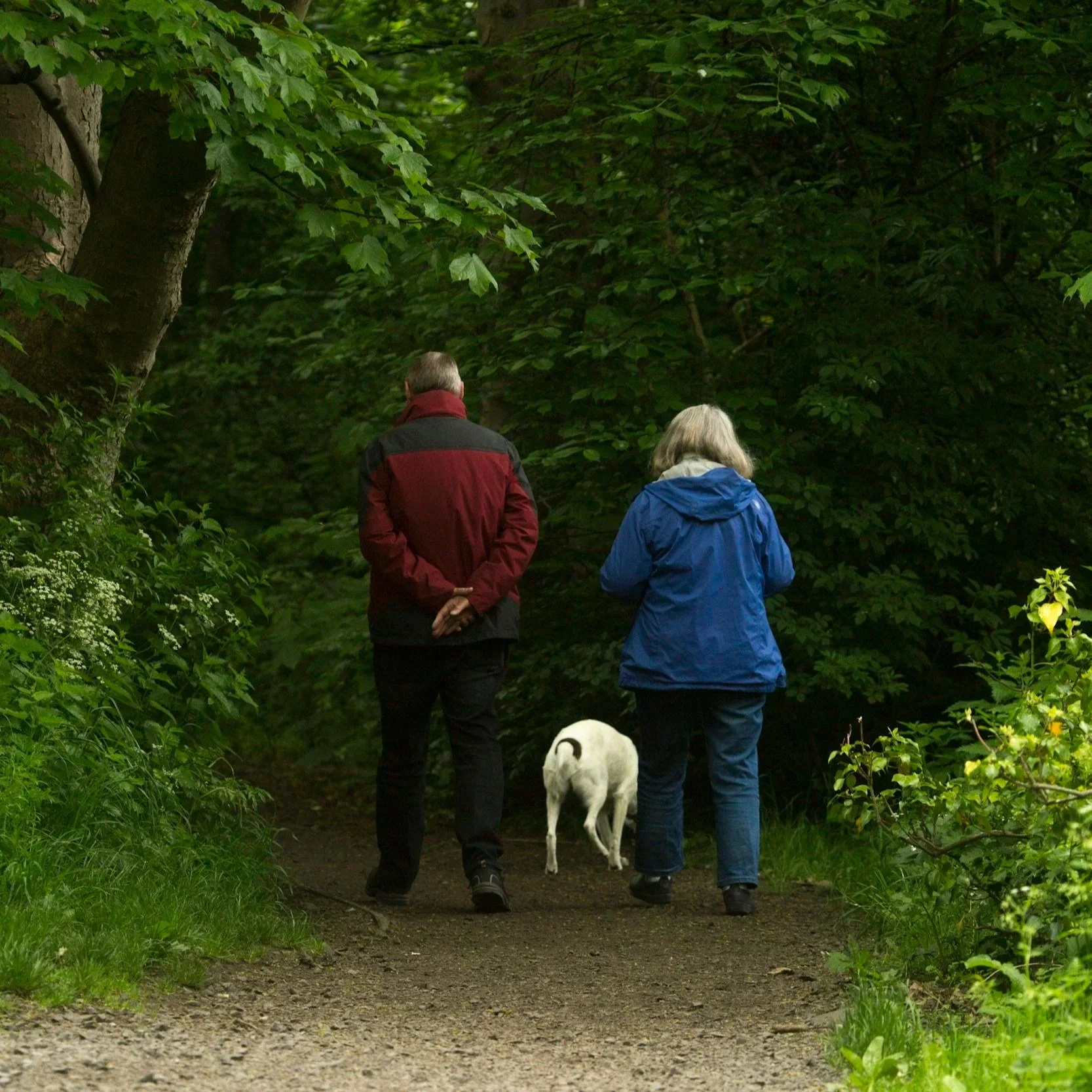
Sometime in the summer of 2023, a passage from Wendell Berry leaped out at me, exposing a decades-long reality. It was arresting, no doubt, because I had been caring for my parents and reflecting deeply on our relationship as they declined.
“The natural or normal course of human growing up must begin with some sort of rebellion against one’s parents, for it is clearly impossible to grow up if one remains a child. But the child, in the process of rebellion and of achieving the emotional and economic independence that rebellion ought to lead to, finally comes to understand the parents as fellow humans and fellow sufferers, and in some manner returns to them as their friend,forgiven and forgiving the inevitable wrongs of family life. That is the old norm.
The new norm, according to which the child leaves home as a student and never lives at home again, interrupts the old course of coming of age at the point of rebellion, so that the child is apt to remain stalled in adolescence, never achieving any kind of reconciliation or friendship with the parents. --Wendell Berry, “The Work of Local Culture,” from The World-Ending Fire, 112, 113
Berry’s phrase, “[he] finally comes to understand the parents as fellow humans and fellow sufferers, and in some manner returns to them as their friend, forgiven and forgiving the inevitable wrongs of family life,” described what was happening to me, for which I was so thankful.
As a child, I saw my parents simply as providers, not people with hurts, needs, and limitations. Some, maybe a lot, of this lingered as I aged.
His other line, “the child is apt to remain stalled in adolescence,” was harder to face. But I knew it was true.
I did not have an open or angry rebellion against my parents. I left for college and “wanted to do my own thing.” However, I minimized the value of being emotionally connected to my parents. I was dutiful and distant. I now see that I was this way with most people. So it seemed normal.
Even at 63, I had to admit I still had an adolescent dimension that weakened my character and, worse, hurt my parents, though they graciously never reproached me for it.
The image below, Rembrandt’s The Return of the Prodigal Son, evoked the deep reconciliation I needed.

Rembrandt’s The Return of the Prodigal Son
Since the COVID pandemic, I’d been more communicative and personal with my parents. However, I never found the words to directly apologize to them for being distant for so many years. But owning up to it in my heart, and before God, has had a healing effect. Only God’s mercy keeps me from slipping into a self-punishing regret.
I’ve come to see that failings and exposures of weakness can be a source of storywealth. Anywhere my story had been an attempt to present myself as better than I am was an impoverished story. My story was in need of healing. So, I’m richer and grateful for the exposure of my heart.
One of my favorite writers, Frederick Buechner, speaks to how even the most difficult memories can be invaluable for going forward in life:
We cannot undo our old mistakes or their consequences any more than we can erase old wounds that we have suffered and inflicted. But through the power of memory, we can think, feel, and imagine our way back through time, at long last finally finishing with the past in the sense of removing its power to hurt us and other people, and to stunt our growth as human beings.
Instead of being a burden of recrimination and regret that makes us constantly stumble, even the saddest things can become, once we have made peace with them, a source of wisdom and strength for the journey ahead.
(Fredrick Buechner, Telling Secrets, 32, 33)
